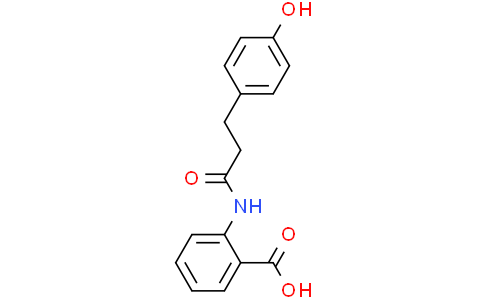
 2,4-Dichloro-3-fluorobromobenzene
MD0011261
Cas:697235-49-7
2,4-Dichloro-3-fluorobromobenzene
MD0011261
Cas:697235-49-7
 4-formyl-3-methoxybenzonitrile
MD0136527
Cas:21962-45-8
4-formyl-3-methoxybenzonitrile
MD0136527
Cas:21962-45-8
 ethyl 2-((2,6-difluorobenzyl)(ethoxycarbonyl)amino)-4-methyl-5-(4-nitrophenyl)thiophene-3-carboxylate
MD0136526
Cas:308831-94-9
ethyl 2-((2,6-difluorobenzyl)(ethoxycarbonyl)amino)-4-methyl-5-(4-nitrophenyl)thiophene-3-carboxylate
MD0136526
Cas:308831-94-9
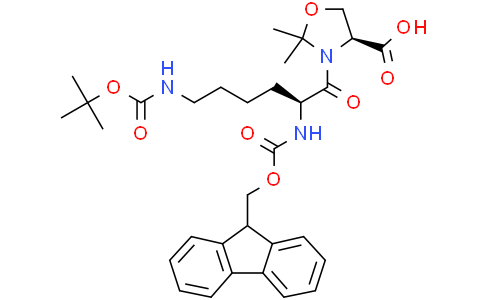 MD0347919
Cas:957780-54-0
MD0347919
Cas:957780-54-0


The stability and therapeutic efficacy of antibody-drug conjugates (ADCs) are critically determined by the chemical linkers that connect the antibody to the cytotoxic payload, which is a key factor influencing drug release, plasma stability, and off-target toxicity. However, the current linker design space remains highly constrained, with most approved ADCs relying on a narrow set of established motifs. This limitation highlights an urgent need for computational tools capable of generating structurally diverse and synthetically accessible linkers. In this study, we introduce Linker-GPT, a Transformer-based deep learning framework leveraging self-attention mechanisms to generate novel ADC linkers with high structural diversity and synthetic feasibility. The model integrates transfer learning from large-scale molecular datasets and reinforcement learning (RL) to iteratively refine molecular properties such as drug-likeness and synthetic accessibility. During transfer learning, a pre-trained model was fine-tuned on a curated linker dataset, yielding molecules with high validity (0.894), novelty (0.997), and uniqueness (0.814 at 1k generation). RL further optimized the model to prioritize synthesizability and drug-like properties, resulting in 98.7% of generated molecules meeting target thresholds for QED (> 0.6), LogP (< 5), and synthetic accessibility score (SAS < 4). Linker-GPT demonstrates strong potential as a computational platform for accelerating the discovery and optimization of novel ADC linkers, offering a scalable solution for early-stage linker design. While these results are currently computational, they provide a foundation for future experimental validation and
You might not expect that the shrimp shells and crab shells you toss in the trash could one day be turned into a cup capable of holding water. Even more amazing is that this cup is not only made from natural materials, but also becomes stronger when it comes into contact with water. This may seem to defy common sense, since under normal circumstances, when water molecules penetrate the polymer chains of chitin, the molecules are “stretched apart,” causing the structure to loosen and the strength to decrease.
Vitamin K and its essential role in coagulation (vitamin K [Koagulation]) have been well established and accepted the world over. Many countries have a Recommended Daily Intake (RDI) for vitamin K based on early research, and its necessary role in the activation of vitamin K-dependent coagulation proteins is known. In the past few decades, the role of vitamin K-dependent proteins in processes beyond coagulation has been discovered. Various isoforms of vitamin K have been identified, and vitamin K2 specifically has been highlighted for its long half-life and extrahepatic activity, whereas the dietary form vitamin K1 has a shorter half-life. In this review, we highlight the specific activity of vitamin K2 based upon proposed frameworks necessary for a bioactive substance to be recommended for an RDI. Vitamin K2 meets all these criteria and should be considered for a specific dietary recommendation intake.
Many electric car owners are concerned that their batteries may not be durable in very cold weather. Scientists have developed a new and safer electrolyte for lithium-ion batteries, which may solve this problem by withstanding extremely low temperatures.